

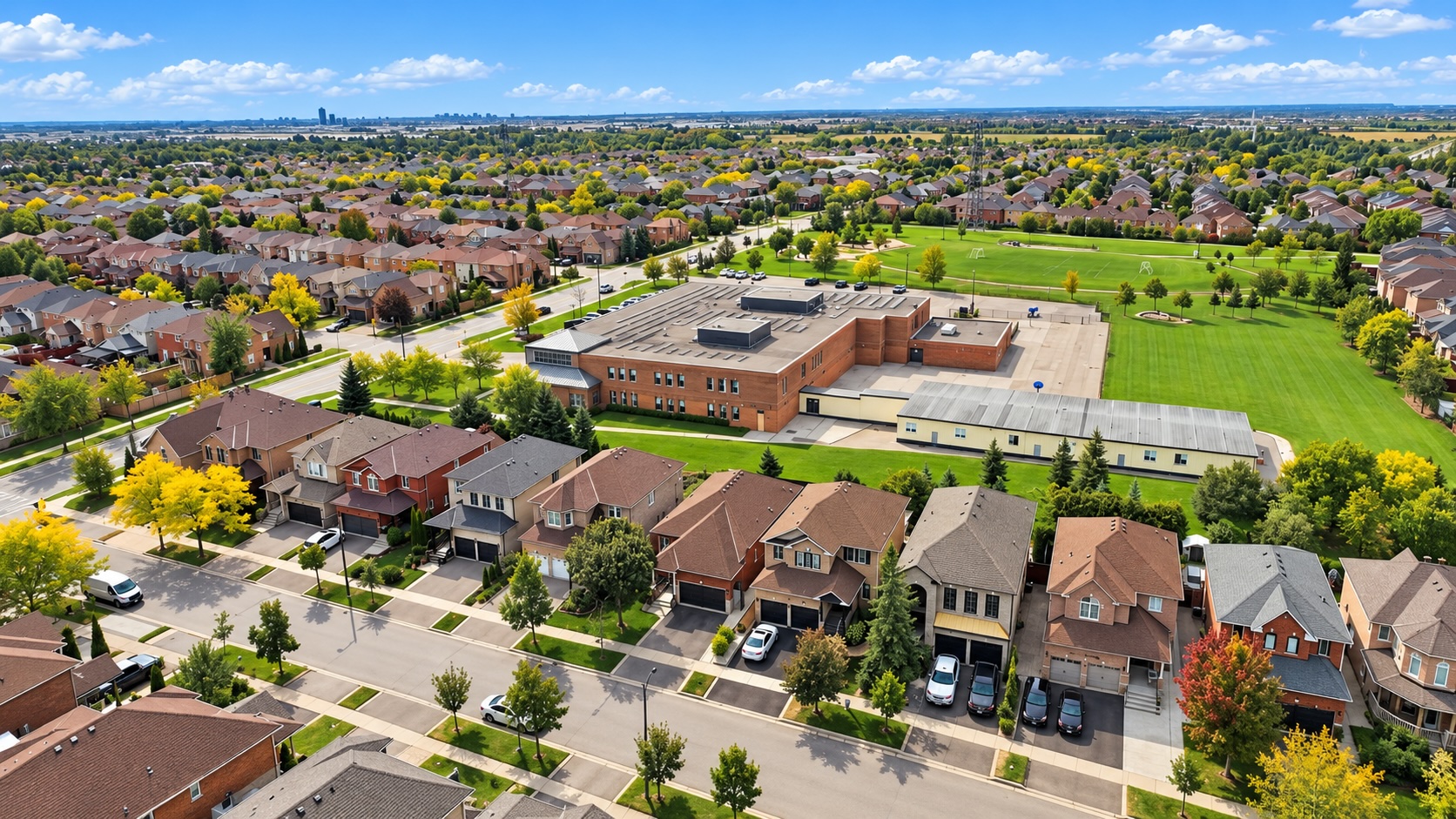
Most homes in Sonoma Heights were built between 1999 and the early 2000s. That puts them at 20 to 25 years old, which is exactly the age when two things happen at once. The original builder finishes start to look dated, and the big, expensive systems reach the end of their lives. Buyers know both. Their inspectors know both.
If you're thinking about selling, here's what buyers in Sonoma Heights actually pay for, what they mark you down for, and where your money before listing is better left in your pocket.
Who You're Competing Against
Every Sonoma Heights buyer is comparing your home to a small set of very similar ones. Homes here were built within a few years of each other, often by the same builders with similar layouts, so buyers can compare like with like more easily than in almost any other part of Vaughan.
The numbers show how much that comparison matters. From January to September 2026, 69 homes sold in Sonoma Heights, typically within 14 days. About a quarter sold over asking. But 68% sold below asking, and 55 listings were taken off the market without selling at all. The difference between those groups usually comes down to two things: condition and price. We break down what homes are selling for in What Is My Sonoma Heights Home Worth in 2026?
The 20-to-25-Year Checklist: What Inspectors Will Flag
These are the items that turn into price reductions after an inspection, or give buyers a reason to walk away. Know where your home stands on each before you list.
- The roof. Asphalt shingles typically last 20 to 25 years. If yours is original, buyers will assume it needs replacing and price that in, usually at more than it would actually cost you. A newer roof with a receipt is one of the strongest things you can show a buyer.
- Furnace and air conditioner. Furnaces often last 15 to 20 years, and air conditioners less. Original units in a home from the early 2000s are on borrowed time, and inspectors say so.
- Windows and doors. Original windows with failed seals (fogging between the panes) are common at this age and easy for buyers to spot.
- Plumbing. Some GTA homes built between the mid-1990s and the mid-2000s were fitted with Kitec plumbing, a system that was later recalled and that many insurers ask about. If your home has it, a buyer's inspector will find it. It's far better to know first, so you can either replace it or price for it, than to have it surface during a conditional period.
- The water heater. Many Ontario water heaters are rented, not owned. Have the rental contract ready, because buyers will ask about it.
- Water and the basement. Any sign of past leaks, grading that slopes toward the house or an aging sump pump will get attention. Fix the cause, not just the stain.
Paperwork matters as much as the repairs. A folder with dates and receipts for the roof, furnace, air conditioner and windows answers questions before a buyer asks them, and protects your price through the inspection.
Not sure which of these matter for your home? We'll walk through it with you and tell you honestly what's worth fixing and what to leave for the next owner. Call us at 416-987-8000 or book a time that suits you.
Worth Doing Before You List
These are the inexpensive changes that tend to pay for themselves in a Sonoma Heights sale:
- Fresh, neutral paint throughout, especially if the walls still carry the colour trends of the 2000s.
- Lighting and hardware. Replacing builder-grade light fixtures and dated door and cabinet hardware is cheap and changes how a house photographs.
- Flooring, where it's tired. Worn original broadloom in the bedrooms or on the stairs is one of the first things buyers notice. Replacing it is usually money well spent.
- A deep clean and a serious declutter. After 20 years in a home, most families have more in it than they realize. Clear rooms look bigger and photograph better.
- The front of the house. Tidy landscaping, a clean driveway and a freshly painted front door set the tone before a buyer walks in.
Usually Not Worth It
- A full kitchen renovation. It rarely returns its full cost before a sale, and many buyers would rather choose their own finishes. Painting or refacing original cabinets and updating the counters and hardware often gets you most of the visual benefit for a fraction of the cost.
- Gutting the bathrooms. Same logic. Clean, re-caulk, update the fixtures and lighting, and stop there.
- Finishing the basement just to sell. You'll rarely get the cost back, and you take on the risk of finishing it in a way a buyer doesn't want.
- Anything that delays your listing for months. Time is a cost too, especially in a community where buyers are waiting for homes to come up.
Pricing in a Low-Inventory Community
Sonoma Heights doesn't have many homes for sale at any time, and that cuts both ways. A well-priced home gets attention from buyers who have been waiting. An overpriced one sits next to fewer competitors, which makes it stand out for the wrong reason.
Price to the homes your buyer will actually compare yours to: recent sales of the same size and layout, in similar condition, on similar lots. Then adjust honestly. If the best comparable had a new roof and an updated kitchen and yours doesn't, your number is lower, and the market will tell you so if you don't. The first two weeks are when a listing gets the most attention, so it's worth getting the price right at the start rather than chasing the market down later.
When to List
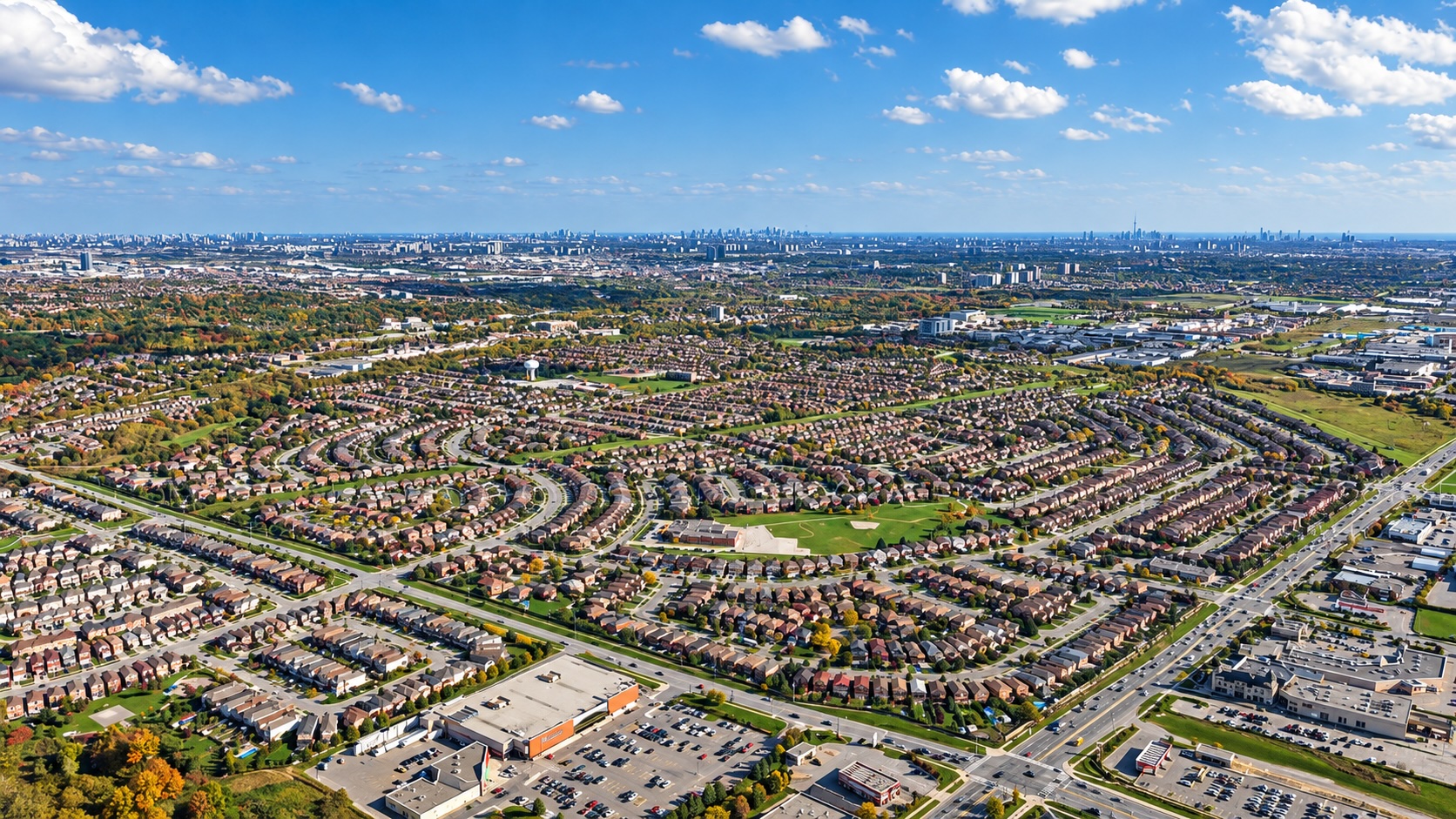
Spring brings out the most family buyers, because parents want to move over the summer before school starts. In Sonoma Heights, with Lorna Jackson, Elder's Mills and St. Padre Pio close by, that family demand is a real advantage. That said, a well-prepared, well-priced home sells in any season, and listing when few competing homes are available can work in your favour too.
If you're selling to move somewhere smaller, our Woodbridge Downsizer's Guide covers where people move and how to time both sides. If you're moving up, our Sonoma Heights vs Islington Woods comparison shows what the next step costs. For the full picture of the community, see our Sonoma Heights guide.
Frequently Asked Questions
What should I fix before selling my Sonoma Heights home?
Focus on what inspectors flag: an original roof, an aging furnace or air conditioner, failed window seals, any water issues, and Kitec plumbing if your home has it. Then do the inexpensive cosmetic work: paint, lighting, hardware and worn flooring.
Should I renovate my kitchen before selling?
Usually not. A full kitchen renovation rarely returns its cost before a sale. Painting or refacing cabinets and updating counters and hardware usually gets most of the benefit for much less.
Does my Sonoma Heights home have Kitec plumbing?
Some homes built in the GTA between the mid-1990s and mid-2000s do. It's usually identifiable by its coloured pipes and fittings near the water heater or under sinks. A home inspector can confirm it. Knowing before you list lets you replace it or price for it.
How long does it take to sell a home in Sonoma Heights?
In 2026, the median Sonoma Heights home sold in 14 days. Homes that are well prepared and priced to recent comparables tend to sell quickly. Overpriced listings often sit and are withdrawn.
When is the best time to sell in Sonoma Heights?
Spring usually brings the most family buyers. But a well-priced home sells in any season, and listing when there are few competing homes can be an advantage.
Thinking About Selling?
The best preparation is specific to your house. Before you spend anything, we'll walk through your home with you, tell you what buyers will notice, what's worth fixing, and what we'd list it at. No pressure and no listing pitch. Call us at 416-987-8000 or book a call.