
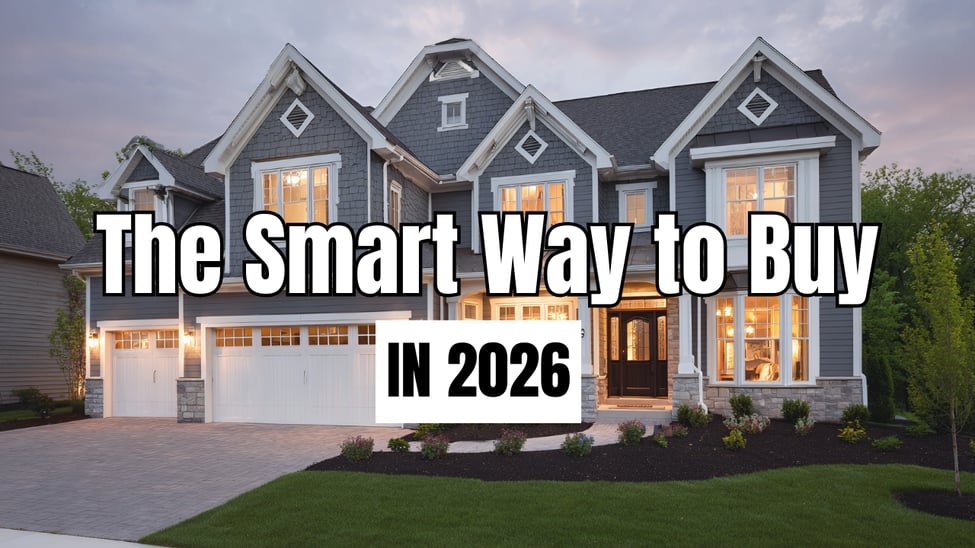
If you’re staring at home prices in 2026 and thinking, “There’s no way I can do this on my own,” you’re not imagining things. In many parts of Canada, the solo buyer has quietly become an endangered species 🦕.
But here’s the twist: while some buyers are stuck refreshing listing pages and losing bidding wars, another group is moving forward confidently. They’re not buying condos the size of a walk-in closet. They’re not fleeing to the middle of nowhere either.
They’re buying multi-generational homes — and they’re doing it strategically.
These homes are quietly becoming some of the most competitive properties in cities like Toronto, Vancouver, Calgary and Ottawa.
And the reason is simple: they solve problems that regular homes no longer can.
Why the Solo Buyer Is Struggling
Housing affordability has changed — permanently. The era of cheap money, easy approvals, and stress-free ownership is behind us.
In cities across our country, a single income often doesn’t stretch far enough to buy a long-term home in a good neighborhood. That doesn’t mean homeownership is over. It means the strategy has changed.
What Exactly Is a Multi-Generational Home?
A multi-generational home is a property designed — or legally adaptable — to house more than one generation comfortably.
Think:
- Separate entrances
- Self-contained suites
- Main-floor bedrooms and bathrooms
- Layouts that allow privacy and independence
These homes aren’t easy to find. They don’t always show up in standard searches. And in many cases, the best ones are snapped up quietly by buyers who know how to look beyond bedroom counts and pretty photos.
The Rise of the Sandwich Generation
Much of the demand is coming from millennials and Gen X buyers caught in the “sandwich generation.”
On one side: young kids and childcare costs that feel like a second mortgage. On the other: aging parents facing rising living costs and limited retirement income.
Pooling resources isn’t a trend — it’s a survival strategy. And smart families are realizing that struggling alone just to maintain the appearance of independence doesn’t actually make sense anymore.
Why Buying Together Changes Everything
When families combine purchasing power, the math changes dramatically. Suddenly, you’re not stuck choosing between a fixer-upper or a condo. You’re buying a long-term home in a solid neighborhood — with flexibility built in.
And then there’s the hidden win no one talks about enough: childcare support. Having grandparents nearby can save families tens of thousands of dollars annually while keeping kids connected to family. That’s real money staying in your household.
Of course, the big question always comes up:
“But how could I actually live with my in-laws?” 😅
The answer isn’t emotional — it’s architectural.
Separate entrance. Separate kitchen. Separate routines.
Layout matters more than finishes. Not every finished basement works. Not every “in-law suite” is legal. And not every property can be converted without serious issues.
Government Incentives Are Supporting This Shift
The Canadian government has recognized the importance of multi-generational living.
Porgrams like the Multi-Generational Home Renovation Tax Credit is designed to offset the cost of creating self-contained units for seniors or adults with disabilities.
This isn’t just a trend — it’s policy-backed.
Planning for the Exit Strategy
And looking ahead matters just as much as buying today.
A legal secondary suite gives you options. Today it might house family. Tomorrow it could become rental income. Down the road, it’s flexibility that protects you against rising costs and uncertainty.
In a country where rental demand has exploded over the last decade, having a self-contained unit is less of a bonus and more of a built-in safety net.
The Bottom Line
The definition of a “dream home” in Canada is changing. It’s no longer about isolation. It’s about connection, strategy, and planning for the long game.
And in 2026, the families who understand this shift are the ones moving forward — while others stay stuck waiting for conditions that may never return.
Ready to Think Bigger?
If you’re curious whether a multi-generational home could work for your family — or want help identifying the right opportunities — we’re here.
👉 Book a strategy call with the Ragona Team
Smart planning today creates freedom tomorrow.