Maple, Vaughan Real Estate: The Honest 2026 Guide for Buyers
Maple is one of Vaughan's most consistently sought-after family communities — and unlike some of the higher-profile neighbourhoods in the city, its appeal is straightforward. Good schools, solid housing stock, reasonable price points relative to what you get, and the one thing most of Woodbridge can't offer: a GO train station.
We've been selling homes in Maple for over 20 years. Here's the honest picture.
What Makes Maple Different
Maple sits in the northern part of Vaughan, straddling Highway 400 between Major Mackenzie Drive and Rutherford Road. It's one of Vaughan's older established communities — significant portions of the housing stock were built in the 1980s and 1990s, with newer development filling in around the edges over the past two decades.
What distinguishes Maple from the newer master-planned communities in Vaughan is a combination of maturity and practicality. The streets have established tree canopy. The lots in the older sections tend to be larger than what newer subdivisions deliver. The community infrastructure — parks, recreation centres, schools, and everyday services — is fully built out and not dependent on future phases.
The Maple GO Station is the detail that changes the conversation for a specific type of buyer. If commuting to Union Station by train is part of your life, Maple is one of the very few Vaughan communities where that's a realistic daily option. For buyers coming from transit-connected Toronto neighbourhoods, that single fact often moves Maple to the top of the list.
Canada's Wonderland sits at the edge of the community — a geographic landmark that some buyers find appealing and others find irrelevant to their daily life. It doesn't materially affect the residential character of Maple's neighbourhoods, but it does give the community a reference point that makes it easy to find on a map.
What Your Money Gets You in Maple
Maple offers one of the more accessible price points in Vaughan for detached homes, and that's a meaningful fact for buyers who've been priced out of Woodbridge or Islington Woods without wanting to leave York Region.
The average sold price for homes in Maple sits around $1.1M–$1.2M, with significant variation depending on property type, age, and location within the community.
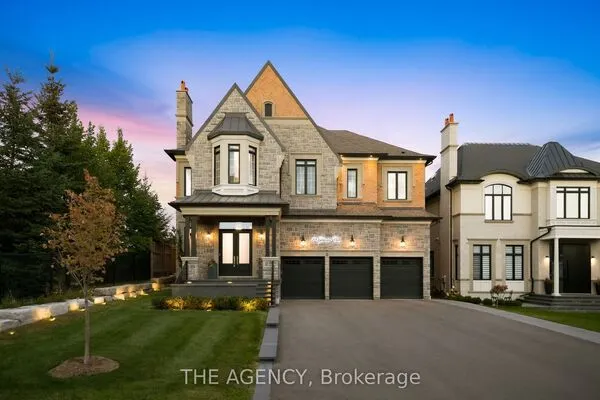
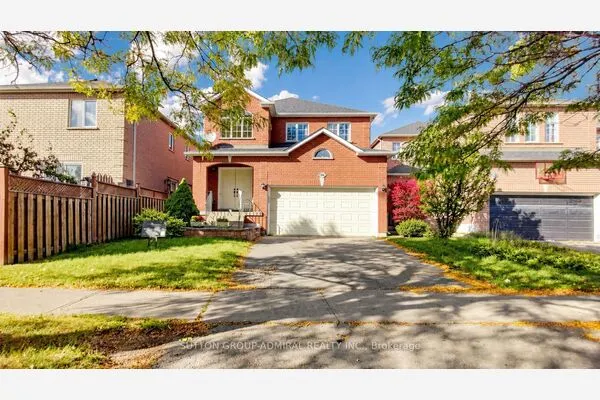
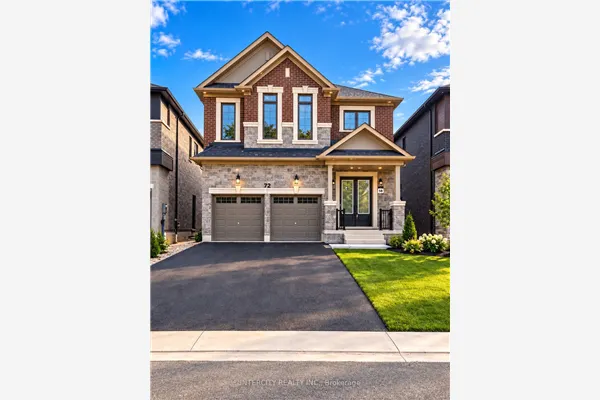
Detached homes are the dominant property type and the core of what most Maple buyers are looking for. Older stock in the established sections — larger lots, mature streetscapes — runs from approximately $1.1M to $1.6M depending on condition and renovation level. Newer builds in more recent subdivisions offer modern layouts at comparable or slightly higher price points but on tighter lots.
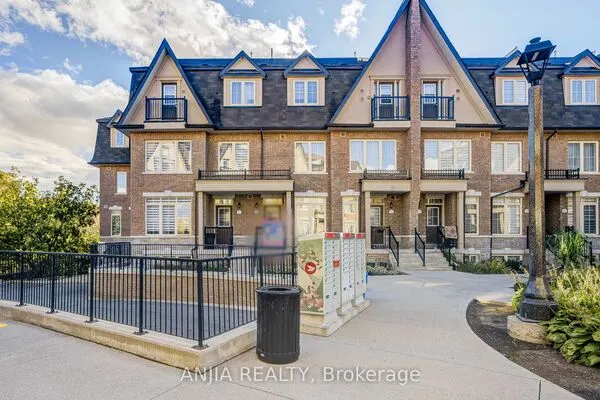
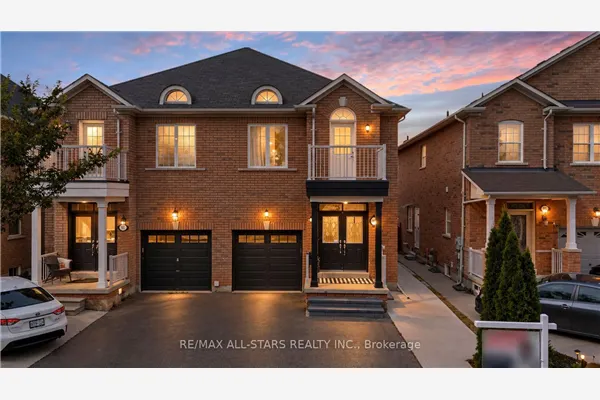
Townhomes are well-represented in Maple and represent a strong entry point into the community. Pricing generally runs $800,000–$1,050,000 depending on size and location. For buyers moving up from condos or first-time buyers with a longer-term plan, Maple townhomes offer genuine value.
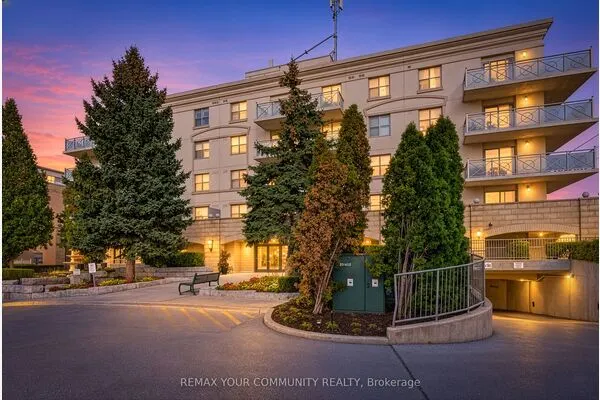
Condos exist in Maple and represent the most accessible price point in the neighbourhood — generally in the $600,000–$850,000 range. The condo inventory here appeals to buyers who want Maple's community access and GO train proximity without the maintenance commitment of a larger home.
One thing that sets Maple apart from the premium Vaughan communities: there is more price movement here in a changing market. The demand base is strong, but Maple isn't as insulated from market cycles as Islington Woods or Kleinburg. That's the trade-off for the more accessible entry price — you get more upside opportunity in a rising market and more exposure in a softening one.
The Maple Buyer Profile
Maple attracts a broad buyer profile — broader than most Vaughan communities — because the combination of price point, school quality, and GO train access appeals to several different types of buyers simultaneously.
Young families making their first detached purchase. Maple is a natural destination for buyers who've outgrown a condo or townhome and want a family-sized home in a community with good schools, parks, and established infrastructure. The price point is more achievable than Woodbridge or Islington Woods, and the lifestyle delivery is strong.
Toronto commuters who need transit access. The Maple GO Station on the Barrie line is the defining feature for this group. Buyers who commute to Union Station regularly — and who've been told Vaughan means a car-only commute — often discover Maple as the exception. For this buyer, the GO station changes everything.
Upsizers from condos and townhomes within Vaughan. Buyers who got into the market in a smaller home and are now ready to move into a detached property in an established community. Maple absorbs a significant amount of this internal Vaughan move-up activity.
Established families who want to stay in Vaughan but want more space, better schools, or a quieter residential character than their current community delivers. Maple's maturity and stability attract buyers at this stage who've done their homework on the options.
Schools: The Real Picture
Maple has a strong reputation for schools — and that reputation is earned, not just marketing. York Region District School Board and York Catholic District School Board both operate in the community, and the school quality across both boards has been consistently solid.
A few things worth knowing:
Maple is one of the Vaughan communities where school quality is most consistently cited as a purchase driver. Buyers specifically target Maple for education, and that sustained demand is part of what supports the community's price floor.
Catchment boundaries still matter. Even in a community with generally strong schools, the specific school your address feeds into varies by street. Two homes a block apart can have different secondary school catchments. Confirm before you make an offer — not after.
The Catholic board is strong here. Like the broader Vaughan community, Catholic board schools in Maple benefit from high parental engagement and strong community involvement. For families where that environment matters, Maple delivers.
Secondary school options are solid. Maple High School and St. Joan of Arc Catholic Secondary School both serve the community and have established track records. For families with secondary-school-age children, this is worth researching at the specific address level before committing.
If schools are a primary driver of your purchase, tell us before we start viewing. We'll make sure the catchment question is answered before you fall in love with a house.
Commute Reality
This is where Maple's story genuinely differs from the rest of Vaughan — and it's worth being specific about what that means in practice.
The Maple GO Station on the Barrie line provides direct service to Union Station in downtown Toronto. Train service runs regularly during peak hours, and the commute time to Union Station is approximately 40–50 minutes on the GO. For buyers who have been commuting from transit-connected Toronto neighbourhoods and assumed all of Vaughan meant a car-only lifestyle, the Maple GO station changes the calculation.
That said, a few things to understand about GO train access in Maple:
The station requires driving or busing to reach from most Maple addresses — it's not walkable from the majority of the residential community. Factor in parking or the local bus connection when you're calculating your actual door-to-door commute time.
GO service frequency during off-peak hours is more limited than subway service. If your schedule requires flexibility throughout the day rather than peak-hour commuting, the GO train works better for some schedules than others.
By highway, Maple has solid access to both Highway 400 (running north-south directly through the community) and Highway 400 connectors to the 401 and beyond. For drivers, the downtown Toronto commute runs 35–50 minutes on a normal day depending on your specific address and destination.
Maple offers the most flexible commute profile of any community in our service area — GO train for transit users, Highway 400 for drivers. That dual option is genuinely rare in Vaughan and is a meaningful part of what sustains demand here.
Lifestyle, Amenities, and Day-to-Day Life
Maple is a fully-built-out community. The day-to-day infrastructure is established and comprehensive — you're not waiting for Phase 3 to deliver the grocery store.
Highway 400 and Rutherford Road put major retail within easy reach: grocery stores, pharmacy, restaurants, and everyday services are all accessible without significant driving. Vaughan Mills and the broader Highway 400 retail corridor are a short drive south.
The recreation infrastructure in Maple is strong. The Maple Community Centre provides arena, pool, and program space. Parks are distributed throughout the community and well-maintained. Canada's Wonderland — whatever your feelings about a theme park as a neighbour — is accessible on Rutherford Road and provides a local amenity that families with younger children actually use.
The golf options in and around Maple are notable — several courses are within easy reach for buyers for whom that matters.
The older sections of Maple have the kind of streetscape maturity that only comes with time — established trees, well-maintained properties, and a residential character that feels settled. The newer sections trade some of that maturity for more modern home layouts and finishes. Both have their buyers, and both deliver on what Maple is fundamentally about: a solid, practical, family-oriented community that doesn't ask you to compromise on the basics.
Who Maple Is Actually Right For
Maple is right for you if:
- You want a family-focused community with strong schools at a more accessible price point than Woodbridge or Islington Woods
- GO train access is part of how you commute or want to commute
- An established community with mature infrastructure matters more to you than newness
- You're a first-time detached buyer or a move-up buyer looking for genuine value in Vaughan
- Highway 400 access fits your commute direction for driving days
Maple is probably not right for you if:
- You're specifically looking for the Italian-Canadian community character of Woodbridge — Maple has a different cultural fabric
- You want the luxury home scale of Kleinburg or Islington Woods at comparable price points — those communities deliver something Maple doesn't
- You're expecting walkability — Maple is a car-dependent community for most daily needs despite GO train access
- New construction with modern builder layouts is a priority — the established sections of Maple have age on them
Frequently Asked Questions About Maple, Vaughan
What is the average home price in Maple, Vaughan in 2026? The average sold price in Maple sits around $1.1M–$1.2M. Detached homes range from approximately $1.1M for older stock to $1.6M+ for larger or fully updated properties. Townhomes generally run $800,000–$1,050,000 and condos $600,000–$850,000.
Does Maple have a GO train? Yes — this is one of Maple's key differentiators in Vaughan. The Maple GO Station on the Barrie line provides direct service to Union Station. Most addresses require driving or busing to the station, so factor in door-to-door time when assessing your actual commute.
Are schools good in Maple, Vaughan? Yes — Maple has one of the stronger school reputations in Vaughan across both York Region public and York Catholic boards. Specific catchment boundaries vary by street, so confirm the exact school your address feeds into before making an offer.
How far is Maple from downtown Toronto? By GO train from Maple Station to Union Station: approximately 40–50 minutes. By car via Highway 400: 35–50 minutes on a normal day. Maple offers one of the better dual-commute profiles in Vaughan.
How does Maple compare to Woodbridge? Maple is generally more accessible on price for detached homes, has GO train access that Woodbridge doesn't, and has a different community character — more mixed and newer-suburban than Woodbridge's established Italian-Canadian roots. The right choice depends on what you're optimizing for.
Is Maple a good community for first-time buyers? Yes — particularly for buyers looking to make their first detached home purchase in Vaughan. The price point is more achievable than the premium communities, the schools are strong, and the community infrastructure is fully established.
Is Maple a good long-term investment? Maple has demonstrated consistent value over time, supported by sustained family demand, strong schools, and GO train access. It doesn't have the scarcity-driven premium of Kleinburg or Islington Woods, but the demand floor is well-supported by a broad buyer base.
Who should I talk to about buying in Maple? We've been transacting in this community for over 20 years. If you want a straight answer about whether a specific street, property, or price point makes sense for your situation, book a call with us Click Here to Book a Free Consultation. No pressure. Just an honest conversation.
The Ragona Sisters Real Estate Team | RE/MAX Premier Inc. | Serving Woodbridge, Vaughan, and York Region for 20+ years | ragonasisters.ca